Strengthening Climate Resilience and Livelihoods (SCREL)
Building climate resilient communities that supports both livelihoods and ecosystem in Kasese
Smallholder farmers in Uganda,
particularly in the Rwenzori region, heavily depend on rain-fed agriculture,
yet changing weather patterns, prolonged dry spells, occasional floods, and
unsustainable farming practices continue to disrupt traditional farming
systems. In Kasese District, once regarded as a regional food basket, rising
food insecurity is driven by declining agricultural productivity, land
degradation, soil erosion, and unreliable rainfall linked to climate change.
Maliba Sub-County remains one of the most affected areas, where only 30% of
households can afford three meals a day, while the majority survive on two
meals daily and others on only one, leaving vulnerable households exposed to
chronic hunger, low incomes, and environmental degradation.
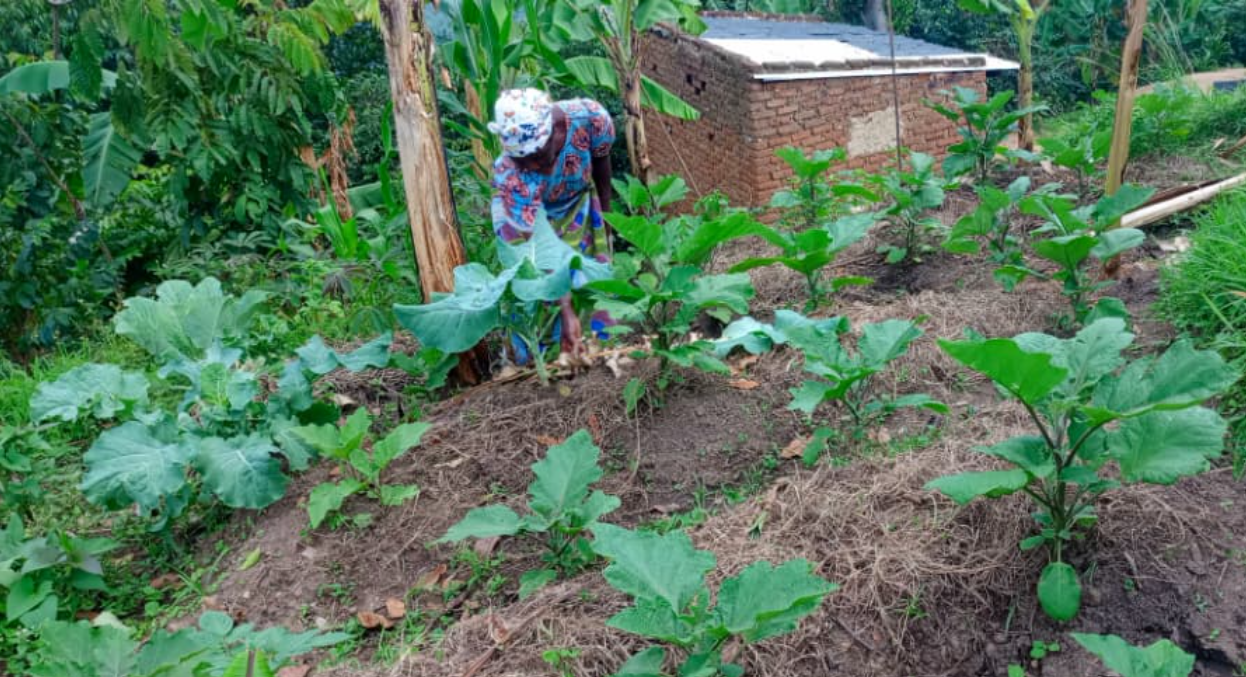
Through support from FCDE’s Voices from the Frontline Against Climate Change, CODEA is implementing the Strengthening Climate Resilience and Livelihoods (SCREL) Project to strengthen resilience among 100 vulnerable smallholder farming households in Maliba. The project promotes kitchen gardening, rainwater harvesting, early maturing crop varieties, contour trench establishment, and farmer capacity building to improve soil and water conservation, restore degraded farmlands, increase food production and nutrition, reduce hunger cycles, and strengthen livelihoods and ecosystem resilience.
Join us or trust us with funds to amplify supporting sustainable agriculture initiatives, water conservation technologies, land restoration initiatives, climate-smart farming practices, and vulnerable households to improve food security and climate resilience in underserved communities.