River Nyamwamba Sustainable Catchment Management (RINSCAM)
Promoting sustainable catchment management practices including tree growing and good agronomic practices in the Nyamwamba sub-catchment.
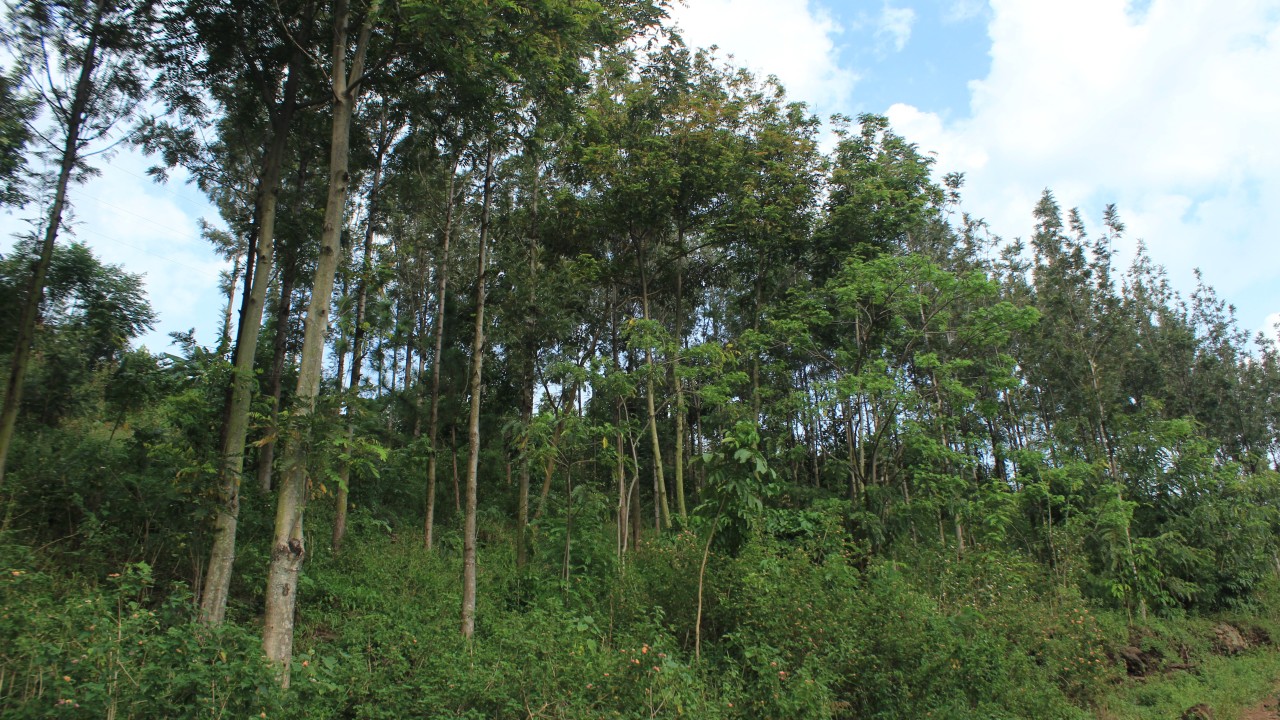
Supporting smallholder farmers to engage in tree growing using agroforestry, boundary planting and woodlot establishment models that benefit both communities and ecosystems.
River
Nyamwamba is one of the most important rivers in Kasese District, supporting
livelihoods, ecosystems, and hydropower generation for surrounding communities.
However, increasing land degradation, deforestation, poor upstream land-use
practices, and wetland encroachment within the catchment area continue to
threaten the river’s sustainability. These human activities have accelerated
soil erosion, siltation, irregular water flows, floods, and declining water
quality, exposing households to environmental disasters, livelihood losses, and
ecosystem degradation. Communities along the riverbanks in Bulembya and
Nyamwamba Divisions, particularly in Nyakasanga Ward, Kanyangeya Ward, Kihara,
and Misika, have increasingly experienced flooding, degraded farmlands, and
reduced productivity, highlighting the urgent need for sustainable catchment
restoration and stronger community participation in environmental conservation.
With
support from WWF Uganda Country Office, CODEA implemented the River Nyamwamba
Sustainable Catchment Management Project (RINSCAM) to promote ecological
restoration and sustainable livelihoods within the River Nyamwamba Sub-catchment.
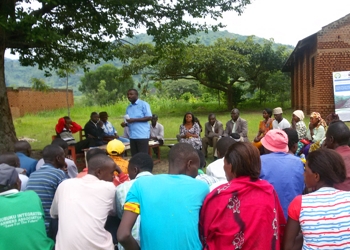
The project strengthened community awareness and participation in sustainable
catchment management through stakeholder engagement and sensitization meetings,
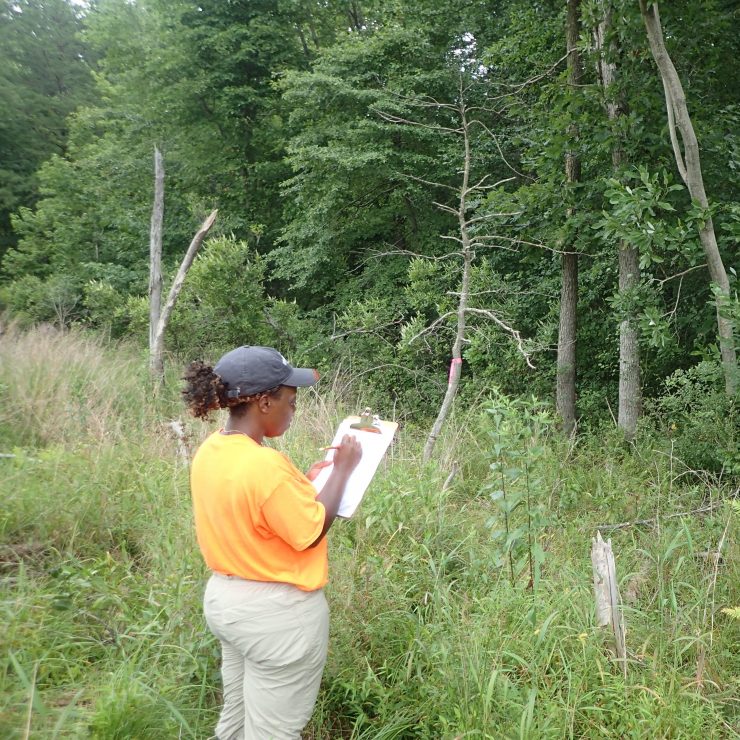
while also supporting restoration of degraded riverbanks and bare hills through
the distribution of tree seedlings to selected farmers in Kihara and Misika. In
addition, the project expanded existing apiary enterprises by supporting
community groups with additional beehives to improve household incomes through
nature-friendly enterprises.
These interventions contributes to reduced soil erosion and siltation, facilitating
improved environmental stewardship, strengthened community participation in
conservation efforts, and enhanced livelihood opportunities for vulnerable
households dependent on the River Nyamwamba ecosystem. Nevertheless, more
efforts are still needed to scale up these interventions and sustain their
impact. Join the movement! Save lives! Support nature!